65 videos · 4h 47m
Manage playlist
Tyler Ferrell is the only person in the world named to Golf Digest's list of Best
Young Teachers in
America AND its list of Best Golf Fitness Professionals in America.
Slow Down Your Downswing for Improved Swing Rhythm
After this video, you'll be able to:
- Feel the timing and rhythm of your downswing with greater control
- Identify and eliminate jerkiness in your swing for smoother motion
- Enhance your ability to match swing components for better contact
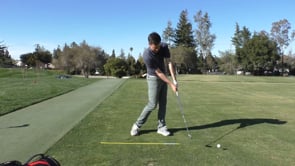
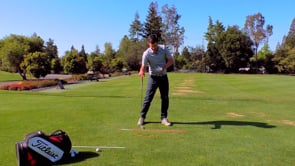
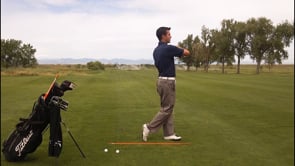
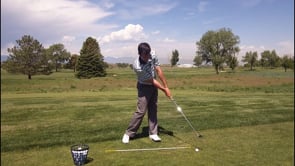
In this drill, you'll learn how to slow down your downswing to enhance your swing rhythm and improve your overall technique. This method allows you to focus on the mechanics of your swing without the pressure of hitting the ball.
Video Transcript
WEBVTT
1
00:00:00.000 --> 00:00:05.400
The drill is three times slower downswing, so there's a lot of science
2
00:00:05.400 --> 00:00:11.160
behind doing slow motion training to help with repatterning your swing. The
3
00:00:11.160 --> 00:00:15.080
great news is you can do a lot of that at home. You don't actually have to be
4
00:00:15.080 --> 00:00:18.880
doing it while hitting golf balls, but it is helpful to hit golf balls while
5
00:00:18.880 --> 00:00:25.320
doing the slow motion training as well. Not a lot of golfers enjoy doing really
6
00:00:25.320 --> 00:00:29.840
slow motion training, kind of like that Ben Hogue and Tai Chi movement. So
7
00:00:29.840 --> 00:00:30.240
instead
8
00:00:30.240 --> 00:00:35.800
what I do is I ask them to take a swing where the downswing is going to take
9
00:00:35.800 --> 00:00:41.260
about three times longer than it normally does. I prefer that to trying to hit
10
00:00:41.260 --> 00:00:41.360
it
11
00:00:41.360 --> 00:00:47.400
shorter because if I say hey just swing easy, usually golfers swing shorter,
12
00:00:47.400 --> 00:00:47.920
but
13
00:00:47.920 --> 00:00:53.520
then swing at the same intensity, so it doesn't really change the downswing
14
00:00:53.520 --> 00:00:57.390
firing pattern, doesn't become more of a slow motion or Tai Chi swing. So you
15
00:00:57.390 --> 00:00:57.760
can
16
00:00:57.760 --> 00:01:04.960
do whatever backswing tempo you want, but then you're going to try and do a
17
00:01:04.960 --> 00:01:10.720
downswing motion that takes significantly longer than normal. And what you'll
18
00:01:10.720 --> 00:01:11.040
find
19
00:01:11.040 --> 00:01:16.280
is when you slow it down you have to be really good with matching the pieces
20
00:01:16.280 --> 00:01:24.160
together, but you have more time and availability to do so. So in slow motion
21
00:01:24.160 --> 00:01:29.040
I'm basically doing my good little Jackson five and delivery drill and then
22
00:01:29.040 --> 00:01:36.640
I'm doing my bracing and arm extension. You can see very little tension and
23
00:01:36.640 --> 00:01:37.280
very
24
00:01:37.280 --> 00:01:43.920
little stalling or very little jerkiness to any one particular part. What you
25
00:01:43.920 --> 00:01:44.080
may
26
00:01:44.080 --> 00:01:48.160
find or what I typically see is that when you try to really slow it down you'll
27
00:01:48.160 --> 00:01:52.680
move kind of one part. There won't be a whole lot of rhythm or fluidity to the
28
00:01:52.680 --> 00:02:01.120
movement. So the goal is to get the same fluidity and to still get very solid
29
00:02:01.120 --> 00:02:05.920
contact. Now I'm doing these where I'm stopping at about waist height, but
30
00:02:05.920 --> 00:02:13.600
ideally you will do it where it takes three times as long to go all the way
31
00:02:13.600 --> 00:02:19.560
through the movement. I promise if you can do it at that level of speed you'll
32
00:02:19.560 --> 00:02:24.080
have a much better chance of doing a lot of these movements at full speed. So
33
00:02:24.080 --> 00:02:24.160
you
34
00:02:24.160 --> 00:02:29.880
can go from three times slower to twice as slow and then back up to full speed.
35
00:02:29.880 --> 00:02:33.560
It can be really helpful when you're working on pattern changes, especially
36
00:02:33.560 --> 00:02:38.320
during the release or transition where things happen really quickly and
37
00:02:38.320 --> 00:02:43.160
sometimes it's hard to pay attention to exactly what's happening. So we'll go
38
00:02:43.160 --> 00:02:53.500
extra slow for the demonstration purpose. Again trying to make solid contact
39
00:02:53.500 --> 00:02:54.440
with
40
00:02:54.440 --> 00:03:00.320
a slower downswing movement but taking the same amount of space.
1
00:00:00.000 --> 00:00:05.400
The drill is three times slower downswing, so there's a lot of science
2
00:00:05.400 --> 00:00:11.160
behind doing slow motion training to help with repatterning your swing. The
3
00:00:11.160 --> 00:00:15.080
great news is you can do a lot of that at home. You don't actually have to be
4
00:00:15.080 --> 00:00:18.880
doing it while hitting golf balls, but it is helpful to hit golf balls while
5
00:00:18.880 --> 00:00:25.320
doing the slow motion training as well. Not a lot of golfers enjoy doing really
6
00:00:25.320 --> 00:00:29.840
slow motion training, kind of like that Ben Hogue and Tai Chi movement. So
7
00:00:29.840 --> 00:00:30.240
instead
8
00:00:30.240 --> 00:00:35.800
what I do is I ask them to take a swing where the downswing is going to take
9
00:00:35.800 --> 00:00:41.260
about three times longer than it normally does. I prefer that to trying to hit
10
00:00:41.260 --> 00:00:41.360
it
11
00:00:41.360 --> 00:00:47.400
shorter because if I say hey just swing easy, usually golfers swing shorter,
12
00:00:47.400 --> 00:00:47.920
but
13
00:00:47.920 --> 00:00:53.520
then swing at the same intensity, so it doesn't really change the downswing
14
00:00:53.520 --> 00:00:57.390
firing pattern, doesn't become more of a slow motion or Tai Chi swing. So you
15
00:00:57.390 --> 00:00:57.760
can
16
00:00:57.760 --> 00:01:04.960
do whatever backswing tempo you want, but then you're going to try and do a
17
00:01:04.960 --> 00:01:10.720
downswing motion that takes significantly longer than normal. And what you'll
18
00:01:10.720 --> 00:01:11.040
find
19
00:01:11.040 --> 00:01:16.280
is when you slow it down you have to be really good with matching the pieces
20
00:01:16.280 --> 00:01:24.160
together, but you have more time and availability to do so. So in slow motion
21
00:01:24.160 --> 00:01:29.040
I'm basically doing my good little Jackson five and delivery drill and then
22
00:01:29.040 --> 00:01:36.640
I'm doing my bracing and arm extension. You can see very little tension and
23
00:01:36.640 --> 00:01:37.280
very
24
00:01:37.280 --> 00:01:43.920
little stalling or very little jerkiness to any one particular part. What you
25
00:01:43.920 --> 00:01:44.080
may
26
00:01:44.080 --> 00:01:48.160
find or what I typically see is that when you try to really slow it down you'll
27
00:01:48.160 --> 00:01:52.680
move kind of one part. There won't be a whole lot of rhythm or fluidity to the
28
00:01:52.680 --> 00:02:01.120
movement. So the goal is to get the same fluidity and to still get very solid
29
00:02:01.120 --> 00:02:05.920
contact. Now I'm doing these where I'm stopping at about waist height, but
30
00:02:05.920 --> 00:02:13.600
ideally you will do it where it takes three times as long to go all the way
31
00:02:13.600 --> 00:02:19.560
through the movement. I promise if you can do it at that level of speed you'll
32
00:02:19.560 --> 00:02:24.080
have a much better chance of doing a lot of these movements at full speed. So
33
00:02:24.080 --> 00:02:24.160
you
34
00:02:24.160 --> 00:02:29.880
can go from three times slower to twice as slow and then back up to full speed.
35
00:02:29.880 --> 00:02:33.560
It can be really helpful when you're working on pattern changes, especially
36
00:02:33.560 --> 00:02:38.320
during the release or transition where things happen really quickly and
37
00:02:38.320 --> 00:02:43.160
sometimes it's hard to pay attention to exactly what's happening. So we'll go
38
00:02:43.160 --> 00:02:53.500
extra slow for the demonstration purpose. Again trying to make solid contact
39
00:02:53.500 --> 00:02:54.440
with
40
00:02:54.440 --> 00:03:00.320
a slower downswing movement but taking the same amount of space.
Have questions?
Ask Mulligan for help
Tyler Ferrell is the only person in the world named to Golf Digest's list of
Best Young Teachers in America AND its list of Best Golf Fitness Professionals in America.
Slow Down Your Downswing for Improved Swing Rhythm
After this video, you'll be able to:
- Feel the timing and rhythm of your downswing with greater control
- Identify and eliminate jerkiness in your swing for smoother motion
- Enhance your ability to match swing components for better contact
In this drill, you'll learn how to slow down your downswing to enhance your swing rhythm and improve your overall technique. This method allows you to focus on the mechanics of your swing without the pressure of hitting the ball.
Video Transcript
WEBVTT
1
00:00:00.000 --> 00:00:05.400
The drill is three times slower downswing, so there's a lot of science
2
00:00:05.400 --> 00:00:11.160
behind doing slow motion training to help with repatterning your swing. The
3
00:00:11.160 --> 00:00:15.080
great news is you can do a lot of that at home. You don't actually have to be
4
00:00:15.080 --> 00:00:18.880
doing it while hitting golf balls, but it is helpful to hit golf balls while
5
00:00:18.880 --> 00:00:25.320
doing the slow motion training as well. Not a lot of golfers enjoy doing really
6
00:00:25.320 --> 00:00:29.840
slow motion training, kind of like that Ben Hogue and Tai Chi movement. So
7
00:00:29.840 --> 00:00:30.240
instead
8
00:00:30.240 --> 00:00:35.800
what I do is I ask them to take a swing where the downswing is going to take
9
00:00:35.800 --> 00:00:41.260
about three times longer than it normally does. I prefer that to trying to hit
10
00:00:41.260 --> 00:00:41.360
it
11
00:00:41.360 --> 00:00:47.400
shorter because if I say hey just swing easy, usually golfers swing shorter,
12
00:00:47.400 --> 00:00:47.920
but
13
00:00:47.920 --> 00:00:53.520
then swing at the same intensity, so it doesn't really change the downswing
14
00:00:53.520 --> 00:00:57.390
firing pattern, doesn't become more of a slow motion or Tai Chi swing. So you
15
00:00:57.390 --> 00:00:57.760
can
16
00:00:57.760 --> 00:01:04.960
do whatever backswing tempo you want, but then you're going to try and do a
17
00:01:04.960 --> 00:01:10.720
downswing motion that takes significantly longer than normal. And what you'll
18
00:01:10.720 --> 00:01:11.040
find
19
00:01:11.040 --> 00:01:16.280
is when you slow it down you have to be really good with matching the pieces
20
00:01:16.280 --> 00:01:24.160
together, but you have more time and availability to do so. So in slow motion
21
00:01:24.160 --> 00:01:29.040
I'm basically doing my good little Jackson five and delivery drill and then
22
00:01:29.040 --> 00:01:36.640
I'm doing my bracing and arm extension. You can see very little tension and
23
00:01:36.640 --> 00:01:37.280
very
24
00:01:37.280 --> 00:01:43.920
little stalling or very little jerkiness to any one particular part. What you
25
00:01:43.920 --> 00:01:44.080
may
26
00:01:44.080 --> 00:01:48.160
find or what I typically see is that when you try to really slow it down you'll
27
00:01:48.160 --> 00:01:52.680
move kind of one part. There won't be a whole lot of rhythm or fluidity to the
28
00:01:52.680 --> 00:02:01.120
movement. So the goal is to get the same fluidity and to still get very solid
29
00:02:01.120 --> 00:02:05.920
contact. Now I'm doing these where I'm stopping at about waist height, but
30
00:02:05.920 --> 00:02:13.600
ideally you will do it where it takes three times as long to go all the way
31
00:02:13.600 --> 00:02:19.560
through the movement. I promise if you can do it at that level of speed you'll
32
00:02:19.560 --> 00:02:24.080
have a much better chance of doing a lot of these movements at full speed. So
33
00:02:24.080 --> 00:02:24.160
you
34
00:02:24.160 --> 00:02:29.880
can go from three times slower to twice as slow and then back up to full speed.
35
00:02:29.880 --> 00:02:33.560
It can be really helpful when you're working on pattern changes, especially
36
00:02:33.560 --> 00:02:38.320
during the release or transition where things happen really quickly and
37
00:02:38.320 --> 00:02:43.160
sometimes it's hard to pay attention to exactly what's happening. So we'll go
38
00:02:43.160 --> 00:02:53.500
extra slow for the demonstration purpose. Again trying to make solid contact
39
00:02:53.500 --> 00:02:54.440
with
40
00:02:54.440 --> 00:03:00.320
a slower downswing movement but taking the same amount of space.
1
00:00:00.000 --> 00:00:05.400
The drill is three times slower downswing, so there's a lot of science
2
00:00:05.400 --> 00:00:11.160
behind doing slow motion training to help with repatterning your swing. The
3
00:00:11.160 --> 00:00:15.080
great news is you can do a lot of that at home. You don't actually have to be
4
00:00:15.080 --> 00:00:18.880
doing it while hitting golf balls, but it is helpful to hit golf balls while
5
00:00:18.880 --> 00:00:25.320
doing the slow motion training as well. Not a lot of golfers enjoy doing really
6
00:00:25.320 --> 00:00:29.840
slow motion training, kind of like that Ben Hogue and Tai Chi movement. So
7
00:00:29.840 --> 00:00:30.240
instead
8
00:00:30.240 --> 00:00:35.800
what I do is I ask them to take a swing where the downswing is going to take
9
00:00:35.800 --> 00:00:41.260
about three times longer than it normally does. I prefer that to trying to hit
10
00:00:41.260 --> 00:00:41.360
it
11
00:00:41.360 --> 00:00:47.400
shorter because if I say hey just swing easy, usually golfers swing shorter,
12
00:00:47.400 --> 00:00:47.920
but
13
00:00:47.920 --> 00:00:53.520
then swing at the same intensity, so it doesn't really change the downswing
14
00:00:53.520 --> 00:00:57.390
firing pattern, doesn't become more of a slow motion or Tai Chi swing. So you
15
00:00:57.390 --> 00:00:57.760
can
16
00:00:57.760 --> 00:01:04.960
do whatever backswing tempo you want, but then you're going to try and do a
17
00:01:04.960 --> 00:01:10.720
downswing motion that takes significantly longer than normal. And what you'll
18
00:01:10.720 --> 00:01:11.040
find
19
00:01:11.040 --> 00:01:16.280
is when you slow it down you have to be really good with matching the pieces
20
00:01:16.280 --> 00:01:24.160
together, but you have more time and availability to do so. So in slow motion
21
00:01:24.160 --> 00:01:29.040
I'm basically doing my good little Jackson five and delivery drill and then
22
00:01:29.040 --> 00:01:36.640
I'm doing my bracing and arm extension. You can see very little tension and
23
00:01:36.640 --> 00:01:37.280
very
24
00:01:37.280 --> 00:01:43.920
little stalling or very little jerkiness to any one particular part. What you
25
00:01:43.920 --> 00:01:44.080
may
26
00:01:44.080 --> 00:01:48.160
find or what I typically see is that when you try to really slow it down you'll
27
00:01:48.160 --> 00:01:52.680
move kind of one part. There won't be a whole lot of rhythm or fluidity to the
28
00:01:52.680 --> 00:02:01.120
movement. So the goal is to get the same fluidity and to still get very solid
29
00:02:01.120 --> 00:02:05.920
contact. Now I'm doing these where I'm stopping at about waist height, but
30
00:02:05.920 --> 00:02:13.600
ideally you will do it where it takes three times as long to go all the way
31
00:02:13.600 --> 00:02:19.560
through the movement. I promise if you can do it at that level of speed you'll
32
00:02:19.560 --> 00:02:24.080
have a much better chance of doing a lot of these movements at full speed. So
33
00:02:24.080 --> 00:02:24.160
you
34
00:02:24.160 --> 00:02:29.880
can go from three times slower to twice as slow and then back up to full speed.
35
00:02:29.880 --> 00:02:33.560
It can be really helpful when you're working on pattern changes, especially
36
00:02:33.560 --> 00:02:38.320
during the release or transition where things happen really quickly and
37
00:02:38.320 --> 00:02:43.160
sometimes it's hard to pay attention to exactly what's happening. So we'll go
38
00:02:43.160 --> 00:02:53.500
extra slow for the demonstration purpose. Again trying to make solid contact
39
00:02:53.500 --> 00:02:54.440
with
40
00:02:54.440 --> 00:03:00.320
a slower downswing movement but taking the same amount of space.
Have questions about this video?
Ask Mulligan for personalized guidance on technique, drills, or how to apply what you've learned.
Ask Mulligan
Related topics
This video hasn't been assigned to any topics yet. Browse all topics in the sidebar.