Tyler Ferrell is the only person in the world named to Golf Digest's list of Best Young Teachers in
America AND its list of Best Golf Fitness Professionals in America.
Meet your new instructor.
Swing Analysis Videos
Subscribe now to watch the full video.
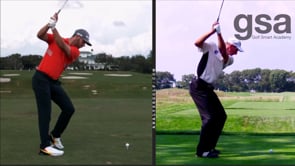
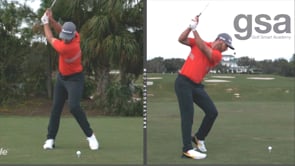
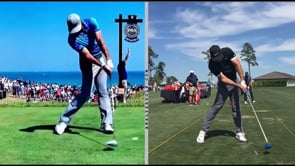
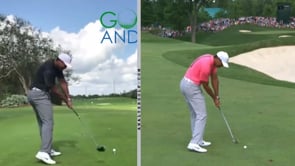
Gary Player has a timeless swing. He's won 165 tournaments including all the majors on the regular and champions tour. Find out how his swing evolved in this analysis video.
Playlists: Swing Analysis Videos
Tags: Analysis, Intermediate
WEBVTT
00:00:00.030 --> 00:00:02.129
in this analysis video we're going to
00:00:02.129 --> 00:00:03.659
take a look at the evolution of the
00:00:03.659 --> 00:00:05.130
swing of Gary player
00:00:05.130 --> 00:00:07.620
now Gary player has a hundred and sixty
00:00:07.620 --> 00:00:10.139
five wins worldwide and has victories in
00:00:10.139 --> 00:00:12.120
28 consecutive years
00:00:12.120 --> 00:00:14.250
that's a truly monumental feat if you
00:00:14.250 --> 00:00:16.650
think about it and perfect evidence why
00:00:16.650 --> 00:00:19.310
he's one of the best examples of how to
00:00:19.310 --> 00:00:21.720
carry yourself and how to have your
00:00:21.720 --> 00:00:23.039
swing aged gracefully
00:00:23.039 --> 00:00:26.369
he is the only winner of the grand slam
00:00:26.369 --> 00:00:28.560
on both the regular and the Champions
00:00:28.560 --> 00:00:31.289
Tour and he made the cut at the Masters
00:00:31.289 --> 00:00:33.600
Tournament at the age of 62
00:00:33.600 --> 00:00:35.880
so he's shown that he can play great
00:00:35.880 --> 00:00:38.219
golf into his later years I'm going to
00:00:38.219 --> 00:00:40.410
show you how his swing has changed from
00:00:40.410 --> 00:00:44.309
his prime until into his 60s and 70s so
00:00:44.309 --> 00:00:46.079
over on the right we have Gary hitting
00:00:46.079 --> 00:00:48.000
one of the ceremonial tee shots at the
00:00:48.000 --> 00:00:50.190
Masters and then over on the left we
00:00:50.190 --> 00:00:52.590
have him roughly thirty years younger
00:00:52.590 --> 00:00:54.989
now interestingly we've got about the
00:00:54.989 --> 00:00:57.690
same camera angle and similar style
00:00:57.690 --> 00:01:01.199
shoes so if we go up to the top of the
00:01:01.199 --> 00:01:03.629
swings from this kind of unique
00:01:03.629 --> 00:01:06.299
perspective we'll be able to see a
00:01:06.299 --> 00:01:09.299
couple little differences but we'll be
00:01:09.299 --> 00:01:12.060
able to see especially on the way
00:01:12.060 --> 00:01:13.350
through that a lot of things have
00:01:13.350 --> 00:01:16.770
remained the same so with a with a
00:01:16.770 --> 00:01:18.750
somewhat similar camera angle we can see
00:01:18.750 --> 00:01:20.580
that his hands are much lower and
00:01:20.580 --> 00:01:23.310
flatter and more around his body than
00:01:23.310 --> 00:01:25.650
when he was back in his prime that could
00:01:25.650 --> 00:01:27.600
be due to some loss of range motion of
00:01:27.600 --> 00:01:30.200
the shoulders it could be due to a
00:01:30.200 --> 00:01:33.299
changing swing philosophy but we can see
00:01:33.299 --> 00:01:36.150
that he hasn't made quite as much upper
00:01:36.150 --> 00:01:38.310
body turn which will be easier to see
00:01:38.310 --> 00:01:40.770
from the face on view but we can see
00:01:40.770 --> 00:01:42.570
that difference in arm height very
00:01:42.570 --> 00:01:44.880
clearly now in the swing over here on
00:01:44.880 --> 00:01:48.360
the left we'll see a very good look at
00:01:48.360 --> 00:01:50.040
his bracing strategy and you can see
00:01:50.040 --> 00:01:51.810
that that left arm stays pretty straight
00:01:51.810 --> 00:01:55.110
and he uses a lot of body rotation to
00:01:55.110 --> 00:01:57.990
kind of take the club from impact into
00:01:57.990 --> 00:02:00.570
his follow-through over here on the
00:02:00.570 --> 00:02:03.540
right it's a little tricky to see with
00:02:03.540 --> 00:02:05.430
the blur of the club but we can see a
00:02:05.430 --> 00:02:07.860
little bit more of the speed being
00:02:07.860 --> 00:02:11.430
absorbed into his shoulders because he's
00:02:11.430 --> 00:02:13.260
not quite as able to
00:02:13.260 --> 00:02:16.620
use his his lower body in his core as
00:02:16.620 --> 00:02:19.470
well as he did when he was thirty but we
00:02:19.470 --> 00:02:21.810
can see the overall pattern remains
00:02:21.810 --> 00:02:25.230
about the same comparing that to say a
00:02:25.230 --> 00:02:27.450
Jack Nicklaus or an Arnold Palmer you
00:02:27.450 --> 00:02:28.860
can see that his commitment to fitness
00:02:28.860 --> 00:02:31.140
has allowed his body to continue to make
00:02:31.140 --> 00:02:34.680
the swing movements that he's ingrained
00:02:34.680 --> 00:02:38.430
and that enable him to have success well
00:02:38.430 --> 00:02:40.530
into his twilight years
00:02:40.530 --> 00:02:42.659
so Gary Player has one of the most
00:02:42.659 --> 00:02:45.690
famous triggers in all of golf you'll
00:02:45.690 --> 00:02:48.720
see over here on the left his famous
00:02:48.720 --> 00:02:51.150
knee kind of kicking in towards the
00:02:51.150 --> 00:02:53.129
center before he has his pressure shift
00:02:53.129 --> 00:02:56.489
during his takeaway now we'll see as he
00:02:56.489 --> 00:03:00.540
in his younger years he had a very he
00:03:00.540 --> 00:03:02.250
did a great job of kind of staying
00:03:02.250 --> 00:03:03.870
centered even though he used kind of
00:03:03.870 --> 00:03:06.620
this full hip turn full shoulder turn
00:03:06.620 --> 00:03:09.829
got the club actually well past parallel
00:03:09.829 --> 00:03:14.040
with this full range of motion now over
00:03:14.040 --> 00:03:15.750
here on the right I'm gonna see that
00:03:15.750 --> 00:03:18.780
same trigger but and we're also going to
00:03:18.780 --> 00:03:21.650
see some evidence of some ribcage
00:03:21.650 --> 00:03:24.000
stiffness so you'll see that he's not
00:03:24.000 --> 00:03:27.419
able to extend through the spine as well
00:03:27.419 --> 00:03:29.220
as he could when he was around 30 and
00:03:29.220 --> 00:03:31.709
you you'll see that he's not able to
00:03:31.709 --> 00:03:34.769
have quite as much side Bend so as a
00:03:34.769 --> 00:03:37.620
result when we look at his takeaway you
00:03:37.620 --> 00:03:39.569
can see that his upper body tends to
00:03:39.569 --> 00:03:42.299
move a little bit more off the ball that
00:03:42.299 --> 00:03:45.060
can be a little bit more less consistent
00:03:45.060 --> 00:03:47.160
but it can also create a little bit more
00:03:47.160 --> 00:03:48.750
speed if you're more of a shoulder
00:03:48.750 --> 00:03:51.180
puller on the club so perhaps his power
00:03:51.180 --> 00:03:52.859
sources have changed as he's gotten
00:03:52.859 --> 00:03:56.340
older but at the very least his range of
00:03:56.340 --> 00:03:57.870
motion has changed which is going to
00:03:57.870 --> 00:04:00.840
upset were disrupt the steep and shallow
00:04:00.840 --> 00:04:02.879
blend so we'll look from down the line
00:04:02.879 --> 00:04:05.519
and we'll see exactly what changes he
00:04:05.519 --> 00:04:07.650
had to make in order to still hit a
00:04:07.650 --> 00:04:09.599
quality golf shot with this different
00:04:09.599 --> 00:04:12.659
range of motion so over here on the
00:04:12.659 --> 00:04:14.569
right we're going to see a decreased
00:04:14.569 --> 00:04:17.609
ability to create arm lifts with the
00:04:17.609 --> 00:04:20.489
shoulders over here on the left he's
00:04:20.489 --> 00:04:21.079
going to
00:04:21.079 --> 00:04:23.330
more shoulder turn and you'll see that
00:04:23.330 --> 00:04:26.330
his arm elevation and arm height is
00:04:26.330 --> 00:04:29.870
going to be much more exaggerated
00:04:29.870 --> 00:04:32.660
compared to over here on the right over
00:04:32.660 --> 00:04:34.220
here on the right you can see his arms
00:04:34.220 --> 00:04:36.320
are working much more around and across
00:04:36.320 --> 00:04:40.070
his body now body rotation and side Bend
00:04:40.070 --> 00:04:42.320
both helps shallow out the club by
00:04:42.320 --> 00:04:45.050
creating depth of the hands now if you
00:04:45.050 --> 00:04:46.880
lose some of that range of motion you
00:04:46.880 --> 00:04:49.010
can benefit from having your arms work
00:04:49.010 --> 00:04:52.220
in a little bit flatter position so when
00:04:52.220 --> 00:04:54.979
he starts coming down we can see that he
00:04:54.979 --> 00:04:57.530
hits a pretty good looking delivery
00:04:57.530 --> 00:05:00.260
position where the club would be roughly
00:05:00.260 --> 00:05:02.600
just inside the hands allowing allowing
00:05:02.600 --> 00:05:04.490
him to come into the golf ball on a nice
00:05:04.490 --> 00:05:08.030
shallow path with this vertical arm
00:05:08.030 --> 00:05:10.850
movement you'll see that he's able to
00:05:10.850 --> 00:05:14.120
achieve kind of a similar delivery
00:05:14.120 --> 00:05:16.880
position alignment but over here on the
00:05:16.880 --> 00:05:19.040
right he's able to do so by taking
00:05:19.040 --> 00:05:21.410
advantage of more side Bend especially
00:05:21.410 --> 00:05:24.320
through the spine this will become more
00:05:24.320 --> 00:05:27.140
apparent on the way through when we look
00:05:27.140 --> 00:05:30.440
at the tilt of his shoulders compared to
00:05:30.440 --> 00:05:33.650
the tilt of his pelvis over here on the
00:05:33.650 --> 00:05:37.250
right because he doesn't have quite as
00:05:37.250 --> 00:05:39.830
much side Bend ability which is natural
00:05:39.830 --> 00:05:42.590
as you get older roughly around the age
00:05:42.590 --> 00:05:45.590
of 65 or so you're going to lose about a
00:05:45.590 --> 00:05:48.289
third of the total range of side bending
00:05:48.289 --> 00:05:52.039
compared to when you're around 30 so you
00:05:52.039 --> 00:05:53.690
can see that the spine is in a much more
00:05:53.690 --> 00:05:56.720
neutral position a lot less side bending
00:05:56.720 --> 00:06:00.380
as a result that tends to steep in the
00:06:00.380 --> 00:06:02.600
path of the club so he works his arms in
00:06:02.600 --> 00:06:04.220
more of a shallow path working more
00:06:04.220 --> 00:06:05.900
around his body
00:06:05.900 --> 00:06:09.080
but he's still able to control the
00:06:09.080 --> 00:06:11.180
geometry to club create a really good
00:06:11.180 --> 00:06:13.479
path into the ball with a nice flat spot
00:06:13.479 --> 00:06:16.850
allowing him to perform pretty
00:06:16.850 --> 00:06:19.729
consistently even with this changing
00:06:19.729 --> 00:06:23.210
movement so you can see that as his
00:06:23.210 --> 00:06:25.310
swing of vault he adjusted the top of
00:06:25.310 --> 00:06:27.260
the swing position to match what his
00:06:27.260 --> 00:06:29.390
range of motion would allow him to do so
00:06:29.390 --> 00:06:31.370
that he could get the club to ultimately
00:06:31.370 --> 00:06:33.370
do what he wants so
00:06:33.370 --> 00:06:36.160
even though he had different looking top
00:06:36.160 --> 00:06:37.780
of the swing positions in these two
00:06:37.780 --> 00:06:39.669
different swings you will see that he
00:06:39.669 --> 00:06:42.130
has very similar sequencing so you can
00:06:42.130 --> 00:06:44.530
see him replanting that left field left
00:06:44.530 --> 00:06:46.570
heel and getting his lower body to
00:06:46.570 --> 00:06:48.820
initiate the early part of the downswing
00:06:48.820 --> 00:06:51.490
and you can see the timing of in the
00:06:51.490 --> 00:06:53.020
direction of when that trail arms
00:06:53.020 --> 00:06:55.300
readings so he's pretty much at impact
00:06:55.300 --> 00:06:56.710
and you can see that that right arm
00:06:56.710 --> 00:06:59.350
hasn't fully straightened and it's not
00:06:59.350 --> 00:07:00.880
until through the shot
00:07:00.880 --> 00:07:02.020
that you see that right arm
00:07:02.020 --> 00:07:04.360
straightening while he's not able to
00:07:04.360 --> 00:07:05.830
have the same amount of range of motion
00:07:05.830 --> 00:07:08.500
you'll see that he'll planting lower
00:07:08.500 --> 00:07:11.020
body rotating right arm kind of staying
00:07:11.020 --> 00:07:13.150
more up against this side and then that
00:07:13.150 --> 00:07:15.940
same timing of the arm extension on the
00:07:15.940 --> 00:07:17.979
way through so he's kept the same
00:07:17.979 --> 00:07:19.630
triggers and he's kept the same
00:07:19.630 --> 00:07:23.949
sequencing but with the changing with
00:07:23.949 --> 00:07:26.139
the change of his body he's had to adapt
00:07:26.139 --> 00:07:28.360
his steep and shallow balance in order
00:07:28.360 --> 00:07:32.440
to accomplish the rules of ball flight
00:07:32.440 --> 00:07:34.960
the rules of the geometry of the shot so
00:07:34.960 --> 00:07:38.200
whether it's injury or age as your body
00:07:38.200 --> 00:07:40.180
changes you'll have to make changes to
00:07:40.180 --> 00:07:42.550
your swing as well and hopefully seeing
00:07:42.550 --> 00:07:44.200
how Gary player did it will give you
00:07:44.200 --> 00:07:46.330
some ideas of ways that you can adapt
00:07:46.330 --> 00:07:48.610
your steep and shallow balance next
00:07:48.610 --> 00:07:49.870
let's take a look at the Gary Player
00:07:49.870 --> 00:07:53.349
walk through now Gary Player is famous
00:07:53.349 --> 00:07:55.810
for the walk through shot where
00:07:55.810 --> 00:07:58.200
basically he would talk about his
00:07:58.200 --> 00:08:00.310
continuing his upper body and really
00:08:00.310 --> 00:08:02.110
getting that right side to fire through
00:08:02.110 --> 00:08:07.500
now I've had golfers who have tried to
00:08:07.500 --> 00:08:10.419
incorporate that and tend to get that
00:08:10.419 --> 00:08:13.660
upper body getting very steep so one
00:08:13.660 --> 00:08:15.639
thing you should notice is he never did
00:08:15.639 --> 00:08:19.870
that walk through with the driver or
00:08:19.870 --> 00:08:22.240
this really long clubs it was always
00:08:22.240 --> 00:08:25.360
kind of a shorter or scoring Club motto
00:08:25.360 --> 00:08:29.260
for him and if you take a look through
00:08:29.260 --> 00:08:31.360
tube racing position so if we look
00:08:31.360 --> 00:08:33.010
through until that club is about
00:08:33.010 --> 00:08:35.500
parallel to the ground you'll see that
00:08:35.500 --> 00:08:38.260
his upper body is bracing nicely and
00:08:38.260 --> 00:08:41.169
it's not really until past this position
00:08:41.169 --> 00:08:44.470
that he then just lets his upper body go
00:08:44.470 --> 00:08:45.600
through
00:08:45.600 --> 00:08:47.430
potentially to take some of the stress
00:08:47.430 --> 00:08:50.220
off of the hip potentially to have a
00:08:50.220 --> 00:08:53.220
feeling of the upper body continuing to
00:08:53.220 --> 00:08:55.770
rotate through but what ends up
00:08:55.770 --> 00:08:57.690
happening is a lot of golfers who try to
00:08:57.690 --> 00:09:00.660
emanate the walking through they'd have
00:09:00.660 --> 00:09:02.430
their hips further back in their upper
00:09:02.430 --> 00:09:04.110
body going forward which is going to
00:09:04.110 --> 00:09:05.910
cause more of a steep angle of attack
00:09:05.910 --> 00:09:09.090
which can tend to cause some contact
00:09:09.090 --> 00:09:12.360
problems or poor bracing mechanics so
00:09:12.360 --> 00:09:15.090
understand that even if you're doing
00:09:15.090 --> 00:09:18.840
that little walk through a movement you
00:09:18.840 --> 00:09:20.730
want to make sure that your upper body
00:09:20.730 --> 00:09:23.670
stays behind your lower body with most
00:09:23.670 --> 00:09:26.730
of the full shots and then it's only
00:09:26.730 --> 00:09:29.400
after you get into that full good
00:09:29.400 --> 00:09:31.440
extension position that you would let
00:09:31.440 --> 00:09:34.260
your upper body rotate through so if
00:09:34.260 --> 00:09:36.030
you're not sure of your steep shallow
00:09:36.030 --> 00:09:38.010
balance or you just want to learn more
00:09:38.010 --> 00:09:39.600
about the golf swing and how it works
00:09:39.600 --> 00:09:41.310
either subscribe to our youtube channel
00:09:41.310 --> 00:09:43.500
or check out some of our steep and
00:09:43.500 --> 00:09:45.870
shallow videos with a free membership
00:09:45.870 --> 00:09:50.480
over at golf smart academy calm