Jackson 5 Drill - Bump The Hips For Axis Tilt
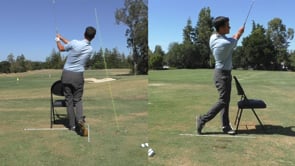
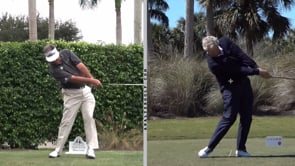
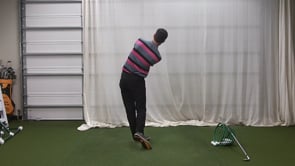
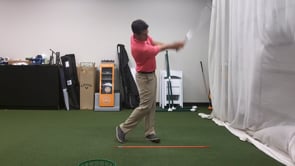
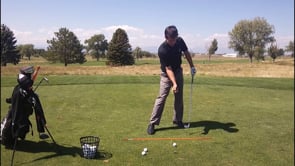
The lateral bump of the lower body is one of the critical moves for a solid golf swing. The tour average amount of shift during the downswing is 3 to 6 inches, and most of that shift happens before the arms drop below chest height. This movement is critical for getting a shallow angle of attack and a path that isn't too far to the left. Meaning, that this move is more critical for the longer clubs than it is for the shorter clubs.
How to do it
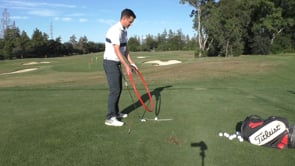
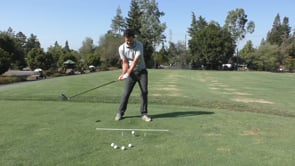
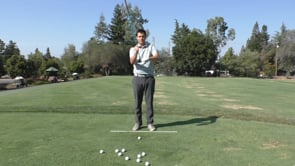
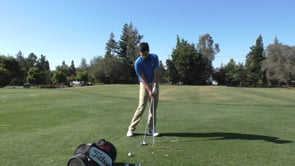
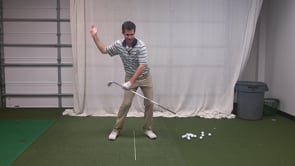
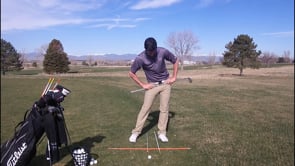
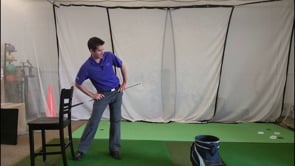
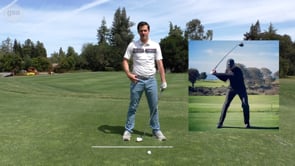
To execute the Jackson 5 move, place a club or alignment stick across your hips the same way you did in the find your hips drill. Practice bumping your hips laterally toward the target using a mirror to make sure that you don't make the common errors:
- Rotating before you bump
- Letting the upper body create the bump
- Moving toward the golf ball as you bump, if anything, you want to let your chest drop down during this move
Progressing the move
Once you can do the basic move make a backswing pivot and try to recreate the same bump feeling. The image that has helped many golfers is the old Motown dance move where the backup singers would slide to the left and push their right hand down to the right. Once the left hip is sufficiently higher than the right hip, go ahead and begin rotating into the Merry go round position that you practiced in the impact section. When you feel proficient you may hit 9 to 3 shots or even full swing shots trying to recreate the Jackson 5 feeling.
For more ways to understand this movement, check out the Jackson 5 progressions in the related video section.
The lateral bump of the lower body is one of the critical moves for a solid golf swing. The tour average amount of shift during the downswing is 3 to 6 inches, and most of that shift happens before the arms drop below chest height. This movement is critical for getting a shallow angle of attack and a path that isn't too far to the left. Meaning, that this move is more critical for the longer clubs than it is for the shorter clubs.
How to do it
To execute the Jackson 5 move, place a club or alignment stick across your hips the same way you did in the find your hips drill. Practice bumping your hips laterally toward the target using a mirror to make sure that you don't make the common errors:
- Rotating before you bump
- Letting the upper body create the bump
- Moving toward the golf ball as you bump, if anything, you want to let your chest drop down during this move
Progressing the move
Once you can do the basic move make a backswing pivot and try to recreate the same bump feeling. The image that has helped many golfers is the old Motown dance move where the backup singers would slide to the left and push their right hand down to the right. Once the left hip is sufficiently higher than the right hip, go ahead and begin rotating into the Merry go round position that you practiced in the impact section. When you feel proficient you may hit 9 to 3 shots or even full swing shots trying to recreate the Jackson 5 feeling.
For more ways to understand this movement, check out the Jackson 5 progressions in the related video section.
Video Transcript
1
00:00:00.000 --> 00:00:05.360
This drill is the Jackson 5 drill, so the Jackson 5 drill is our term for the
2
00:00:05.360 --> 00:00:07.760
hip bump.
3
00:00:07.760 --> 00:00:11.790
Many golfers have talked about a little lateral movement and 3D has shown that
4
00:00:11.790 --> 00:00:12.520
there's about
5
00:00:12.520 --> 00:00:18.760
a 4 to 6 inch movement during early transition to help shift the weight or
6
00:00:18.760 --> 00:00:19.960
pressure into
7
00:00:19.960 --> 00:00:25.020
that lead foot and help establish a shallow body position so that you can apply
8
00:00:25.020 --> 00:00:25.760
good release
9
00:00:25.760 --> 00:00:26.760
mechanics.
10
00:00:26.760 --> 00:00:31.830
So an easy way to start working on that lateral movement is with this drill we
11
00:00:31.830 --> 00:00:32.880
call the Jackson
12
00:00:32.880 --> 00:00:36.920
5 and it got the name from an old student who was a dance instructor and he
13
00:00:36.920 --> 00:00:37.640
said it felt
14
00:00:37.640 --> 00:00:42.630
very much like the old Motown backup movement where they would basically do a
15
00:00:42.630 --> 00:00:43.520
little kind
16
00:00:43.520 --> 00:00:47.360
of slide movement where the upper body would lag behind.
17
00:00:47.360 --> 00:00:50.830
To do the movement to do the Jackson 5 drill you're going to take the club
18
00:00:50.830 --> 00:00:51.680
place it across
19
00:00:51.680 --> 00:00:52.680
your hips.
20
00:00:52.680 --> 00:00:55.820
Now you already know how to find your hips but here you're going to put your
21
00:00:55.820 --> 00:00:56.240
thumbs
22
00:00:56.240 --> 00:01:00.430
on the outside of your kind of the greater trochanters or the outside of your
23
00:01:00.430 --> 00:01:01.040
hip bones
24
00:01:01.040 --> 00:01:02.040
just like this.
25
00:01:02.040 --> 00:01:06.120
You're just going to hold that in place and then I want you to just kind of go
26
00:01:06.120 --> 00:01:06.480
back
27
00:01:06.480 --> 00:01:10.560
and forth a few times but you'll notice that there's no rotation.
28
00:01:10.560 --> 00:01:17.050
So what's common is as you go to rotate it will look a little bit more like
29
00:01:17.050 --> 00:01:17.880
this.
30
00:01:17.880 --> 00:01:22.660
So you want to either stay parallel to a mirror or have a stick on the ground
31
00:01:22.660 --> 00:01:23.560
so you can make
32
00:01:23.560 --> 00:01:25.920
sure that you're doing a pure lateral movement.
33
00:01:25.920 --> 00:01:29.610
Now we don't want to do this sway movement in the backswing but we're going to
34
00:01:29.610 --> 00:01:30.120
do a little
35
00:01:30.120 --> 00:01:33.040
bit of this slide movement during the downswing.
36
00:01:33.040 --> 00:01:37.070
So I'm going to get my normal golf posture and then I'm going to do this
37
00:01:37.070 --> 00:01:38.040
Jackson 5 movement
38
00:01:38.040 --> 00:01:44.000
until my hip joint is just on the inside of my ankle right there.
39
00:01:44.000 --> 00:01:46.560
So I'm going to do that little Jackson 5 movement like this.
40
00:01:46.560 --> 00:01:50.930
Now you notice that as I do this my head stays in place and that's where it
41
00:01:50.930 --> 00:01:51.880
feels more like
42
00:01:51.880 --> 00:01:55.600
that Motown backup dancer movement.
43
00:01:55.600 --> 00:01:59.460
So I'm doing that Jackson 5 kind of just like this.
44
00:01:59.460 --> 00:02:02.610
Then what I can do is I can take the club and place it across my shoulders
45
00:02:02.610 --> 00:02:03.080
similar to
46
00:02:03.080 --> 00:02:05.560
what you do in the merry-go round.
47
00:02:05.560 --> 00:02:10.960
So then I'm going to make a backswing but now that lateral movement isn't in
48
00:02:10.960 --> 00:02:12.160
the direction
49
00:02:12.160 --> 00:02:14.320
of my pelvis because that would be going that way.
50
00:02:14.320 --> 00:02:17.680
It's still in the direction of the target which will feel like I'm going
51
00:02:17.680 --> 00:02:18.440
backwards.
52
00:02:18.440 --> 00:02:22.470
So I'm going up to the top of the swing and now I'm doing that little movement
53
00:02:22.470 --> 00:02:22.960
until I
54
00:02:22.960 --> 00:02:28.000
feel that same relationship where my hip is roughly over the inside of my ankle
55
00:02:28.000 --> 00:02:28.320
.
56
00:02:28.320 --> 00:02:32.900
So I'm basically doing that movement first and as I do that movement I'm trying
57
00:02:32.900 --> 00:02:33.960
not to
58
00:02:33.960 --> 00:02:37.990
consciously rotate my body but you'll see from the down the line that just by
59
00:02:37.990 --> 00:02:38.440
shifting
60
00:02:38.440 --> 00:02:41.120
I'm going to have some rotation.
61
00:02:41.120 --> 00:02:45.150
Problem many amateurs face is they get to the top of the swing and they don't
62
00:02:45.150 --> 00:02:45.560
have this
63
00:02:45.560 --> 00:02:47.020
lateral movement first.
64
00:02:47.020 --> 00:02:50.690
They tend to spin both their lower body and their upper body quick from the top
65
00:02:50.690 --> 00:02:51.120
of the
66
00:02:51.120 --> 00:02:55.160
swing and you'll see that that creates a situation where my upper body is well
67
00:02:55.160 --> 00:02:55.520
on top
68
00:02:55.520 --> 00:03:01.200
of my lower body and that is going to create more of an outside in swing path.
69
00:03:01.200 --> 00:03:06.010
You can see from this down the line that if I just let my arms kind of fall
70
00:03:06.010 --> 00:03:06.920
when my body
71
00:03:06.920 --> 00:03:11.700
is on top like that it's going to be more outside in as opposed to if I do this
72
00:03:11.700 --> 00:03:12.160
little
73
00:03:12.160 --> 00:03:17.150
Jackson 5 move then if I just let my arms kind of swing you'll see that they
74
00:03:17.150 --> 00:03:17.920
have much
75
00:03:17.920 --> 00:03:20.920
more of a shallow or into out movement.
76
00:03:20.920 --> 00:03:25.910
So this Jackson 5 move is one of those really big key shallower movements for
77
00:03:25.910 --> 00:03:26.880
the full swing
78
00:03:26.880 --> 00:03:31.180
when you get below say a seven iron so when you start getting into seven iron,
79
00:03:31.180 --> 00:03:31.720
six iron
80
00:03:31.720 --> 00:03:35.310
all the way through driver but especially for the driver you'll tend to see a
81
00:03:35.310 --> 00:03:36.120
fair amount
82
00:03:36.120 --> 00:03:40.490
of this axis tilt and it's created by the sequencing of this lateral lower body
83
00:03:40.490 --> 00:03:41.160
movement
84
00:03:41.160 --> 00:03:43.080
during transition.
85
00:03:43.080 --> 00:03:47.550
The other thing that amateurs tend to do is they tend to shift very kind of
86
00:03:47.550 --> 00:03:48.280
slowly and
87
00:03:48.280 --> 00:03:54.080
gradually where this is more of a movement that will happen during transition
88
00:03:54.080 --> 00:03:54.680
so it should
89
00:03:54.680 --> 00:04:00.230
really happen before that left arm is below your chest height or left arm
90
00:04:00.230 --> 00:04:01.360
parallel kind
91
00:04:01.360 --> 00:04:04.040
of somewhere in this zone.
92
00:04:04.040 --> 00:04:10.920
So you got the feeling here you make some back swings and then you make some
93
00:04:10.920 --> 00:04:11.960
swings trying
94
00:04:11.960 --> 00:04:17.100
to get that same movement to happen early during transition and then you can
95
00:04:17.100 --> 00:04:18.000
start applying
96
00:04:18.000 --> 00:04:24.680
it into tempo drills full swing drills but getting that sequencing of the step
97
00:04:24.680 --> 00:04:25.400
before
98
00:04:25.400 --> 00:04:29.480
the body goes very similar to normal hitting or throwing mechanics where you're
99
00:04:29.480 --> 00:04:29.960
going to
100
00:04:29.960 --> 00:04:35.410
have that lateral movement before it goes rotary or that lateral movement
101
00:04:35.410 --> 00:04:36.520
before it goes
102
00:04:36.520 --> 00:04:37.680
rotary.
103
00:04:37.680 --> 00:04:41.940
So work on that Jackson 5 sequencing to help shallow out your movement and get
104
00:04:41.940 --> 00:04:42.600
your total
105
00:04:42.600 --> 00:04:50.920
body involved which is really key for the longer clubs.
Have questions?
Ask Mulligan for helpJackson 5 Drill - Bump The Hips For Axis Tilt
The lateral bump of the lower body is one of the critical moves for a solid golf swing. The tour average amount of shift during the downswing is 3 to 6 inches, and most of that shift happens before the arms drop below chest height. This movement is critical for getting a shallow angle of attack and a path that isn't too far to the left. Meaning, that this move is more critical for the longer clubs than it is for the shorter clubs.
How to do it
To execute the Jackson 5 move, place a club or alignment stick across your hips the same way you did in the find your hips drill. Practice bumping your hips laterally toward the target using a mirror to make sure that you don't make the common errors:
- Rotating before you bump
- Letting the upper body create the bump
- Moving toward the golf ball as you bump, if anything, you want to let your chest drop down during this move
Progressing the move
Once you can do the basic move make a backswing pivot and try to recreate the same bump feeling. The image that has helped many golfers is the old Motown dance move where the backup singers would slide to the left and push their right hand down to the right. Once the left hip is sufficiently higher than the right hip, go ahead and begin rotating into the Merry go round position that you practiced in the impact section. When you feel proficient you may hit 9 to 3 shots or even full swing shots trying to recreate the Jackson 5 feeling.
For more ways to understand this movement, check out the Jackson 5 progressions in the related video section.
The lateral bump of the lower body is one of the critical moves for a solid golf swing. The tour average amount of shift during the downswing is 3 to 6 inches, and most of that shift happens before the arms drop below chest height. This movement is critical for getting a shallow angle of attack and a path that isn't too far to the left. Meaning, that this move is more critical for the longer clubs than it is for the shorter clubs.
How to do it
To execute the Jackson 5 move, place a club or alignment stick across your hips the same way you did in the find your hips drill. Practice bumping your hips laterally toward the target using a mirror to make sure that you don't make the common errors:
- Rotating before you bump
- Letting the upper body create the bump
- Moving toward the golf ball as you bump, if anything, you want to let your chest drop down during this move
Progressing the move
Once you can do the basic move make a backswing pivot and try to recreate the same bump feeling. The image that has helped many golfers is the old Motown dance move where the backup singers would slide to the left and push their right hand down to the right. Once the left hip is sufficiently higher than the right hip, go ahead and begin rotating into the Merry go round position that you practiced in the impact section. When you feel proficient you may hit 9 to 3 shots or even full swing shots trying to recreate the Jackson 5 feeling.
For more ways to understand this movement, check out the Jackson 5 progressions in the related video section.
Video Transcript
1
00:00:00.000 --> 00:00:05.360
This drill is the Jackson 5 drill, so the Jackson 5 drill is our term for the
2
00:00:05.360 --> 00:00:07.760
hip bump.
3
00:00:07.760 --> 00:00:11.790
Many golfers have talked about a little lateral movement and 3D has shown that
4
00:00:11.790 --> 00:00:12.520
there's about
5
00:00:12.520 --> 00:00:18.760
a 4 to 6 inch movement during early transition to help shift the weight or
6
00:00:18.760 --> 00:00:19.960
pressure into
7
00:00:19.960 --> 00:00:25.020
that lead foot and help establish a shallow body position so that you can apply
8
00:00:25.020 --> 00:00:25.760
good release
9
00:00:25.760 --> 00:00:26.760
mechanics.
10
00:00:26.760 --> 00:00:31.830
So an easy way to start working on that lateral movement is with this drill we
11
00:00:31.830 --> 00:00:32.880
call the Jackson
12
00:00:32.880 --> 00:00:36.920
5 and it got the name from an old student who was a dance instructor and he
13
00:00:36.920 --> 00:00:37.640
said it felt
14
00:00:37.640 --> 00:00:42.630
very much like the old Motown backup movement where they would basically do a
15
00:00:42.630 --> 00:00:43.520
little kind
16
00:00:43.520 --> 00:00:47.360
of slide movement where the upper body would lag behind.
17
00:00:47.360 --> 00:00:50.830
To do the movement to do the Jackson 5 drill you're going to take the club
18
00:00:50.830 --> 00:00:51.680
place it across
19
00:00:51.680 --> 00:00:52.680
your hips.
20
00:00:52.680 --> 00:00:55.820
Now you already know how to find your hips but here you're going to put your
21
00:00:55.820 --> 00:00:56.240
thumbs
22
00:00:56.240 --> 00:01:00.430
on the outside of your kind of the greater trochanters or the outside of your
23
00:01:00.430 --> 00:01:01.040
hip bones
24
00:01:01.040 --> 00:01:02.040
just like this.
25
00:01:02.040 --> 00:01:06.120
You're just going to hold that in place and then I want you to just kind of go
26
00:01:06.120 --> 00:01:06.480
back
27
00:01:06.480 --> 00:01:10.560
and forth a few times but you'll notice that there's no rotation.
28
00:01:10.560 --> 00:01:17.050
So what's common is as you go to rotate it will look a little bit more like
29
00:01:17.050 --> 00:01:17.880
this.
30
00:01:17.880 --> 00:01:22.660
So you want to either stay parallel to a mirror or have a stick on the ground
31
00:01:22.660 --> 00:01:23.560
so you can make
32
00:01:23.560 --> 00:01:25.920
sure that you're doing a pure lateral movement.
33
00:01:25.920 --> 00:01:29.610
Now we don't want to do this sway movement in the backswing but we're going to
34
00:01:29.610 --> 00:01:30.120
do a little
35
00:01:30.120 --> 00:01:33.040
bit of this slide movement during the downswing.
36
00:01:33.040 --> 00:01:37.070
So I'm going to get my normal golf posture and then I'm going to do this
37
00:01:37.070 --> 00:01:38.040
Jackson 5 movement
38
00:01:38.040 --> 00:01:44.000
until my hip joint is just on the inside of my ankle right there.
39
00:01:44.000 --> 00:01:46.560
So I'm going to do that little Jackson 5 movement like this.
40
00:01:46.560 --> 00:01:50.930
Now you notice that as I do this my head stays in place and that's where it
41
00:01:50.930 --> 00:01:51.880
feels more like
42
00:01:51.880 --> 00:01:55.600
that Motown backup dancer movement.
43
00:01:55.600 --> 00:01:59.460
So I'm doing that Jackson 5 kind of just like this.
44
00:01:59.460 --> 00:02:02.610
Then what I can do is I can take the club and place it across my shoulders
45
00:02:02.610 --> 00:02:03.080
similar to
46
00:02:03.080 --> 00:02:05.560
what you do in the merry-go round.
47
00:02:05.560 --> 00:02:10.960
So then I'm going to make a backswing but now that lateral movement isn't in
48
00:02:10.960 --> 00:02:12.160
the direction
49
00:02:12.160 --> 00:02:14.320
of my pelvis because that would be going that way.
50
00:02:14.320 --> 00:02:17.680
It's still in the direction of the target which will feel like I'm going
51
00:02:17.680 --> 00:02:18.440
backwards.
52
00:02:18.440 --> 00:02:22.470
So I'm going up to the top of the swing and now I'm doing that little movement
53
00:02:22.470 --> 00:02:22.960
until I
54
00:02:22.960 --> 00:02:28.000
feel that same relationship where my hip is roughly over the inside of my ankle
55
00:02:28.000 --> 00:02:28.320
.
56
00:02:28.320 --> 00:02:32.900
So I'm basically doing that movement first and as I do that movement I'm trying
57
00:02:32.900 --> 00:02:33.960
not to
58
00:02:33.960 --> 00:02:37.990
consciously rotate my body but you'll see from the down the line that just by
59
00:02:37.990 --> 00:02:38.440
shifting
60
00:02:38.440 --> 00:02:41.120
I'm going to have some rotation.
61
00:02:41.120 --> 00:02:45.150
Problem many amateurs face is they get to the top of the swing and they don't
62
00:02:45.150 --> 00:02:45.560
have this
63
00:02:45.560 --> 00:02:47.020
lateral movement first.
64
00:02:47.020 --> 00:02:50.690
They tend to spin both their lower body and their upper body quick from the top
65
00:02:50.690 --> 00:02:51.120
of the
66
00:02:51.120 --> 00:02:55.160
swing and you'll see that that creates a situation where my upper body is well
67
00:02:55.160 --> 00:02:55.520
on top
68
00:02:55.520 --> 00:03:01.200
of my lower body and that is going to create more of an outside in swing path.
69
00:03:01.200 --> 00:03:06.010
You can see from this down the line that if I just let my arms kind of fall
70
00:03:06.010 --> 00:03:06.920
when my body
71
00:03:06.920 --> 00:03:11.700
is on top like that it's going to be more outside in as opposed to if I do this
72
00:03:11.700 --> 00:03:12.160
little
73
00:03:12.160 --> 00:03:17.150
Jackson 5 move then if I just let my arms kind of swing you'll see that they
74
00:03:17.150 --> 00:03:17.920
have much
75
00:03:17.920 --> 00:03:20.920
more of a shallow or into out movement.
76
00:03:20.920 --> 00:03:25.910
So this Jackson 5 move is one of those really big key shallower movements for
77
00:03:25.910 --> 00:03:26.880
the full swing
78
00:03:26.880 --> 00:03:31.180
when you get below say a seven iron so when you start getting into seven iron,
79
00:03:31.180 --> 00:03:31.720
six iron
80
00:03:31.720 --> 00:03:35.310
all the way through driver but especially for the driver you'll tend to see a
81
00:03:35.310 --> 00:03:36.120
fair amount
82
00:03:36.120 --> 00:03:40.490
of this axis tilt and it's created by the sequencing of this lateral lower body
83
00:03:40.490 --> 00:03:41.160
movement
84
00:03:41.160 --> 00:03:43.080
during transition.
85
00:03:43.080 --> 00:03:47.550
The other thing that amateurs tend to do is they tend to shift very kind of
86
00:03:47.550 --> 00:03:48.280
slowly and
87
00:03:48.280 --> 00:03:54.080
gradually where this is more of a movement that will happen during transition
88
00:03:54.080 --> 00:03:54.680
so it should
89
00:03:54.680 --> 00:04:00.230
really happen before that left arm is below your chest height or left arm
90
00:04:00.230 --> 00:04:01.360
parallel kind
91
00:04:01.360 --> 00:04:04.040
of somewhere in this zone.
92
00:04:04.040 --> 00:04:10.920
So you got the feeling here you make some back swings and then you make some
93
00:04:10.920 --> 00:04:11.960
swings trying
94
00:04:11.960 --> 00:04:17.100
to get that same movement to happen early during transition and then you can
95
00:04:17.100 --> 00:04:18.000
start applying
96
00:04:18.000 --> 00:04:24.680
it into tempo drills full swing drills but getting that sequencing of the step
97
00:04:24.680 --> 00:04:25.400
before
98
00:04:25.400 --> 00:04:29.480
the body goes very similar to normal hitting or throwing mechanics where you're
99
00:04:29.480 --> 00:04:29.960
going to
100
00:04:29.960 --> 00:04:35.410
have that lateral movement before it goes rotary or that lateral movement
101
00:04:35.410 --> 00:04:36.520
before it goes
102
00:04:36.520 --> 00:04:37.680
rotary.
103
00:04:37.680 --> 00:04:41.940
So work on that Jackson 5 sequencing to help shallow out your movement and get
104
00:04:41.940 --> 00:04:42.600
your total
105
00:04:42.600 --> 00:04:50.920
body involved which is really key for the longer clubs.
Have questions about this video?
Ask Mulligan for personalized guidance on technique, drills, or how to apply what you've learned.
Ask Mulligan